
Sierra Leone’s rugged interior is a landscape of immense beauty and incredible mineral wealth. However, for those venturing toward the diamond-rich fields of Kono or the gold-veined hills of the north, the journey often involves traversing some of the most challenging terrain in West Africa. Artisanal mine roads are not designed for comfort; they are functional, raw, and highly unpredictable. Mastering Sierra Leone 4x4 Driving is an essential skill for miners, NGOs, and explorers who must navigate these deep-rutted, often waterlogged tracks. Successfully reaching a remote site requires more than just a powerful engine—it demands technical precision and the right high-clearance equipment.
Understanding The Terrain Of Artisanal Mine Sites
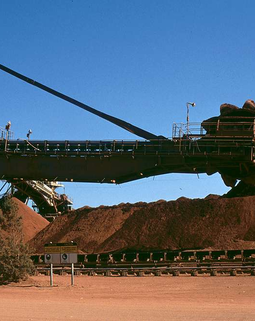
Artisanal mining roads are often carved out of the red laterite earth and lack any formal drainage systems. During the dry season, these tracks become bone-dry, resulting in fine, powdery dust that obscures vision and hides deep potholes. When the heavy tropical rains arrive, the same roads transform into slick, clay-like quagmires that can swallow a standard vehicle whole. This is where Sierra Leone 4x4 Driving truly becomes a test of endurance. High-clearance is non-negotiable because the deep ruts created by heavy mining trucks can easily beach a vehicle on its undercarriage, leaving the wheels spinning helplessly.
Essential Vehicle Modifications For Mining Tracks
To withstand the rigors of these roads, your vehicle must be properly outfitted. Standard factory suspension is rarely enough for the vertical climbs and deep washouts found near mine sites.
-
Suspension Lifts: A 2-inch lift provides the necessary clearance to pass over central ridges and large rocks without damaging the differential or oil pan.
-
Snorkels: Given the frequency of flash flooding and deep river crossings in rural provinces, a snorkel ensures the engine breathes clean air rather than water.
-
All-Terrain vs. Mud-Terrain Tires: For the slippery artisanal tracks, Mud-Terrain (MT) tires with aggressive tread patterns are the gold standard for maintaining traction in the thickest sludge.
Advanced Techniques For Sierra Leone 4x4 Driving
The secret to successful navigation on these tracks is "as fast as necessary, as slow as possible." Maintaining steady momentum is critical when hitting a patch of deep mud; if you hesitate, you sink. Engaging Low Range (4L) provides the torque needed to crawl through technical sections without overheating the transmission. Smooth steering inputs are also vital. In deep ruts, the vehicle will often want to follow the "trench." Fighting the wheel too hard can lead to a snapped steering linkage or a sudden loss of control if the tires catch a dry patch.
Recovery Gear: Your Lifeline In The Bush
Even the most experienced drivers eventually find themselves stuck. Never head toward a mine site without a complete recovery kit. This should include a heavy-duty shovel, high-lift jack, and a kinetic recovery strap. If you find your tires spinning, stop immediately—continuing to accelerate will only dig the vehicle deeper. Use your shovel to clear the "belly" of the car and place traction boards or even local brush under the tires to regain grip.
For fleet managers and adventure travelers looking for the latest updates on regional transport logistics, vehicle maintenance, and West African infrastructure developments, visiting the expert resources at AfriCarNews is highly recommended.
Safety And Community Awareness
Finally, Sierra Leone 4x4 Driving is as much about social awareness as it is about mechanical skill. Many of these roads pass through small villages and active artisanal mining communities. Slowing down not only preserves your vehicle’s suspension but also protects pedestrians and local livestock from dust and accidents. By approaching these roads with respect for the environment and the local residents, you ensure that your journey is as safe as it is productive.
Mastering the art of Sierra Leone 4x4 Driving is the only way to ensure that the challenges of the road don't become the end of your mission in this vibrant, mineral-rich nation.
Have you ever faced a "bottomless" mud hole on a remote mining track? What is the one piece of recovery gear you never leave home without? Share your off-road stories and maintenance tips in the comments below!