
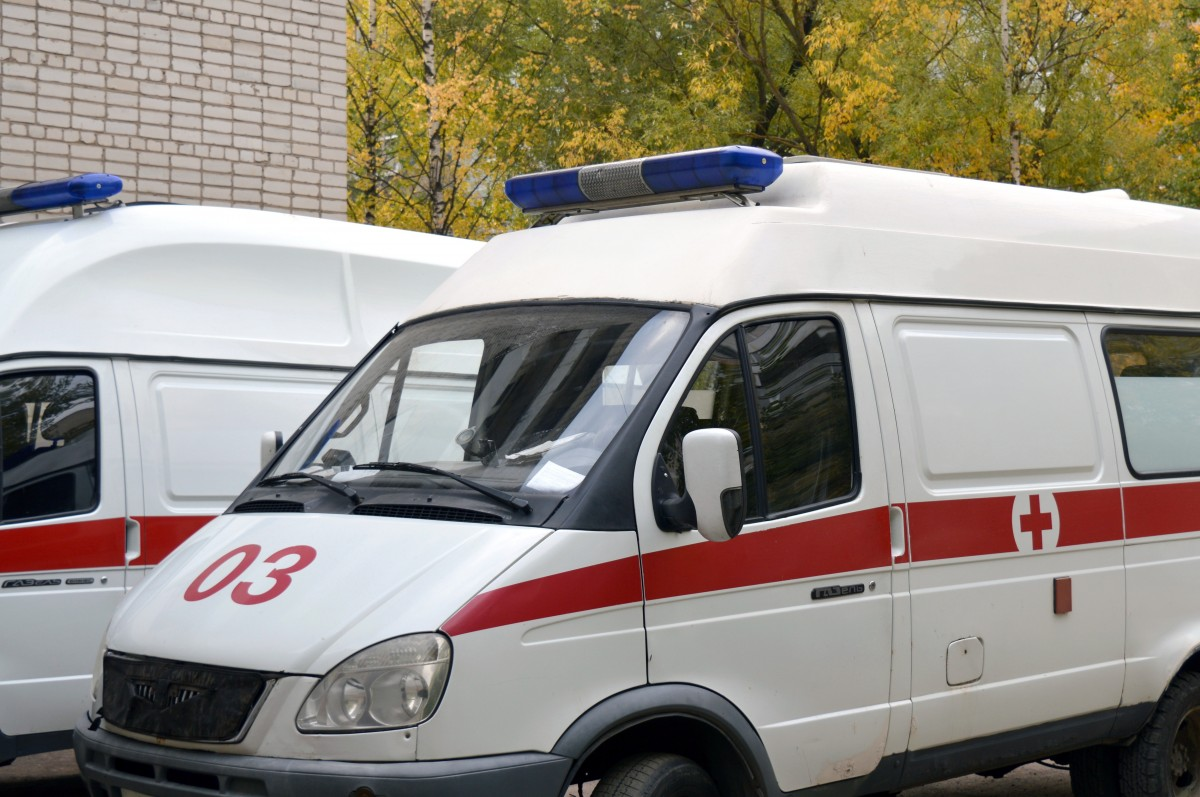
Sierra Leone’s public health system has received a major boost following the donation of eight Sierra Leone health vehicles by the World Health Organization (WHO). The vehicles were officially handed over to the Ministry of Health during a ceremony at the Youyi Building in Freetown, marking an important step toward improving disease surveillance and emergency response capacity across the country.
The donation comes at a critical time as health authorities continue efforts to monitor and contain outbreaks such as Mpox. With stronger mobility at the district level, the newly delivered Sierra Leone health vehicles will enable health teams to reach communities faster, investigate suspected cases, and coordinate response operations more efficiently.
Health officials say improved transport logistics are essential for strengthening the country’s healthcare system and ensuring that public health services reach even the most remote communities.
Strengthening Disease Surveillance Across Districts
The eight vehicles were presented by the WHO Country Representative to Sierra Leone’s Minister of Health in the presence of senior officials from the Ministry of Health and the National Public Health Agency. The donation is part of the Pandemic Fund initiative designed to improve health emergency preparedness and response systems.
Authorities highlighted that the new Sierra Leone health vehicles will significantly enhance field operations, particularly for surveillance teams responsible for detecting outbreaks early. Rapid transportation allows public health workers to collect samples, conduct investigations, and deploy emergency response teams quickly when potential health threats arise.
The country has already seen the benefits of similar support. Six vehicles donated during an earlier phase of the program were used to respond to multiple health emergencies, enabling teams to reach affected communities within hours.
Supporting the Fight Against Mpox
The latest delivery of Sierra Leone health vehicles also supports ongoing efforts to control Mpox infections. Health officials report that the number of active cases has declined significantly after coordinated national response measures.
The country’s health strategy relies heavily on a community-based approach, with primary health care systems serving as the frontline of disease detection and prevention. By strengthening mobility, the Sierra Leone health vehicles help ensure that health workers can reach communities quickly to implement containment measures and provide medical support.
Public health leaders emphasized that preparedness, prevention, and rapid response remain the pillars of effective health security. Improved transportation plays a vital role in achieving those goals.
Building a Resilient Health System
The donation also forms part of broader efforts to strengthen Sierra Leone’s healthcare infrastructure and long-term emergency preparedness. The Pandemic Fund initiative, implemented with international partners, focuses on improving surveillance systems, laboratory networks, and rapid response capabilities.
With the additional Sierra Leone health vehicles, district-level teams now have greater capacity to respond to emergencies, conduct field investigations, and support outbreak control efforts across the country.
Health experts note that reliable transportation can dramatically improve response times during public health crises. In many cases, the ability to deploy teams quickly determines how effectively outbreaks are contained.
For broader insights into mobility developments and vehicle-related initiatives across Africa, platforms such as AfricaCarNews highlight how vehicles play a critical role not only in transportation but also in strengthening essential services like healthcare and emergency response.
Improving Mobility for Public Health
The addition of these Sierra Leone health vehicles represents another step toward building a stronger and more resilient health system. By improving transportation capacity for emergency teams, the country is better prepared to detect, respond to, and manage health threats in the future.
As Sierra Leone continues strengthening its healthcare infrastructure, investments in mobility, technology, and community-based services will remain central to achieving long-term health security.
How important do you think vehicles are in strengthening healthcare systems in developing countries? Share your thoughts in the comments and join the discussion!