
Sierra Leone's tourism sector is at an inflection point. The nation is rich in natural and cultural assets—from pristine beaches and historic sites like Bunce Island to the unique chimpanzee sanctuary at Tacugama. However, realizing the sector's potential for Economic Diversification has long been hampered by significant Infrastructure Gaps, particularly in the road network. Recognizing this, the government has explicitly prioritized tourism and infrastructure investment in its Medium-Term National Development Plan (2024-2030), culminating in the launch of the "Year of Ecotourism, 2025" campaign.
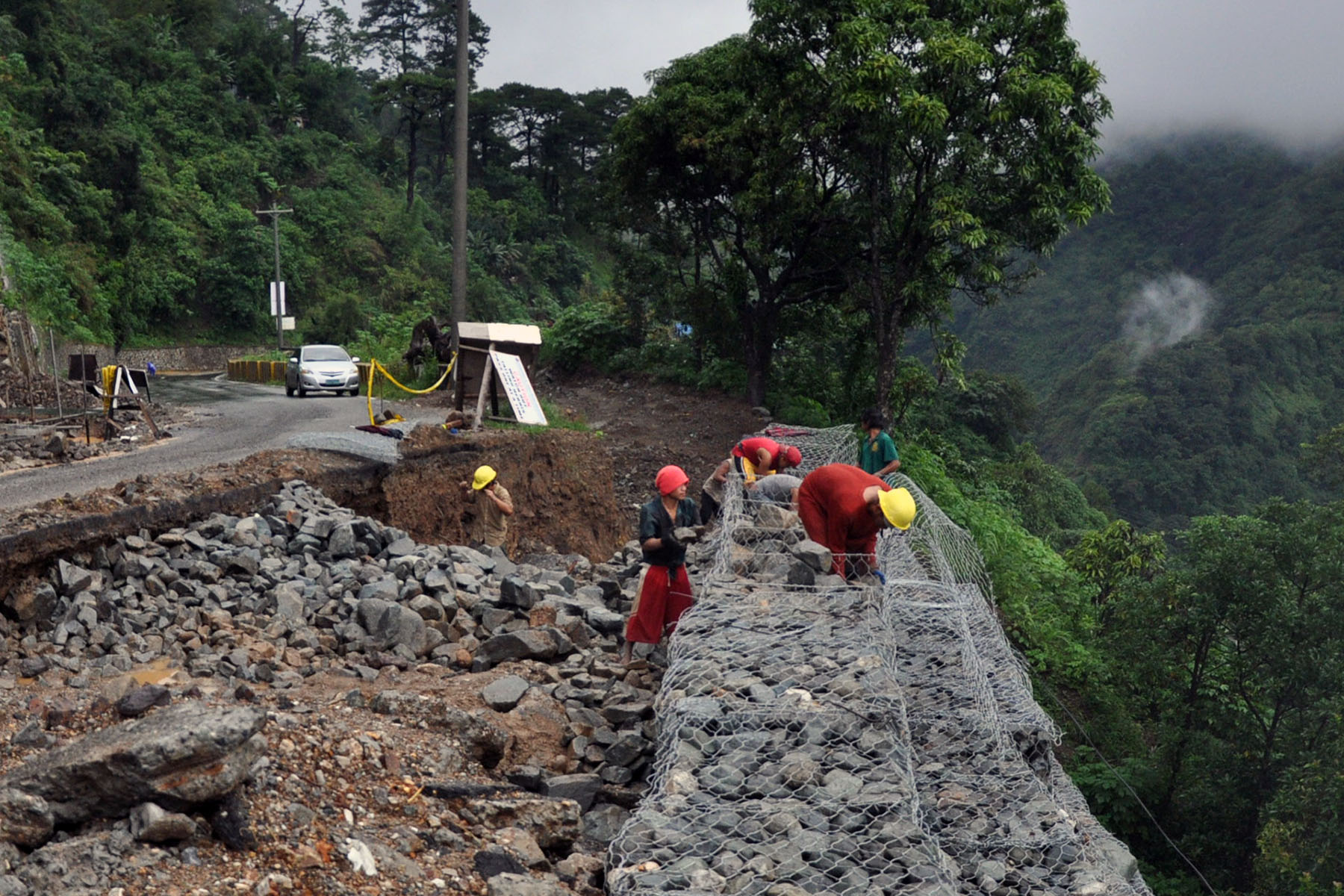
The ongoing road rehabilitation projects are not just about transport; they are the single most critical investment in Tourist Access Infrastructure, directly connecting visitors to the attractions that define the country's tourism brand.
Connecting Key Destinations and Enhancing the Visitor Experience
Poor Road Network Connectivity has historically isolated Sierra Leone’s most valuable tourist assets. Long, arduous, and uncomfortable journeys due to unpaved or damaged roads deter high-value tourists and increase operational costs for tour operators.
1. Reducing Travel Time and Vehicle Wear
Projects focusing on key tourism corridors, often supported by the World Bank's Economic Diversification Project (SLEDP), are fundamental. By paving and rehabilitating roads leading to high-potential sites—such as those on the Western Peninsula (e.g., Bureh Beach, River Number 2, Banana Island) and important ecotourism hubs—the government is drastically reducing travel time. This directly improves the Visitor Experience, making multi-site itineraries feasible and comfortable. Moreover, better roads reduce wear and tear on vehicles, lowering costs for tour operators and promoting long-term industry sustainability. For vehicles operating on and off the major trunk roads, finding suitable and durable transport remains essential, often tracked through platforms like Auto24.
2. Supporting Eco-Tourism Development
The "Year of Ecotourism, 2025" relies on the accessibility of natural and cultural heritage sites. Investments in Tourist Access Infrastructure go beyond the main road to include essential on-site infrastructure like drainage, parking, and improved walkways at sites like the Tacugama Chimpanzee Sanctuary and Leicester Peak. This integration ensures that the physical improvements align with the goals of Eco-Tourism Development, ensuring that increased visitor numbers can be managed sustainably.
Attracting Investment and Driving Economic Diversification
The presence of reliable Tourist Access Infrastructure serves as a powerful signal to private investors, both domestic and foreign. When travel logistics are predictable and safe, the business case for developing high-quality accommodation, restaurants, and other services in remote areas becomes viable.
The government’s plan to fast-track structural transformation through investment in roads, ports, and airports (such as the long-planned Lungi Bridge project, which is designed to enhance economic and tourism potential) is essential. The improved Road Network Connectivity ensures that the US$100 million in tourism revenues generated in 2024 has the potential to double by 2034, creating new employment opportunities and supporting the national objective of Economic Diversification. The investment in Tourist Access Infrastructure is thus a foundational step toward unlocking Sierra Leone's "hidden gold mine" in tourism.
Which infrastructure project do you believe is the single most critical investment for the growth of Sierra Leone's tourism sector: rehabilitating the rural Tourist Access Infrastructure leading to beaches and parks, or completing a major project like the Lungi Bridge? Share your thoughts below!