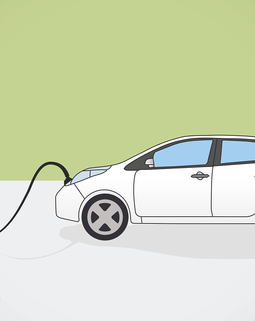

The global transition toward electric vehicles (EVs) has triggered an unprecedented worldwide demand for lightweight industrial metals, primarily aluminum. As international automakers aggressively race to build highly efficient, longer-range batteries and lightweight aerodynamic chassis, the pressure on global mineral supply chains has intensely multiplied. At the absolute center of this massive industrial shift is West Africa, home to some of the world's largest unexploited mineral reserves. To ensure that this vital green transportation revolution does not come at a severe, irreversible ecological cost, the proactive push for Sierra Leone Sustainable Bauxite has officially become a top priority for global environmentalists and mining engineers alike.
The Link Between Electric Vehicles And Bauxite
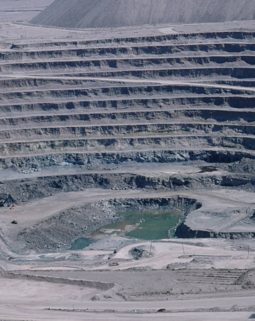
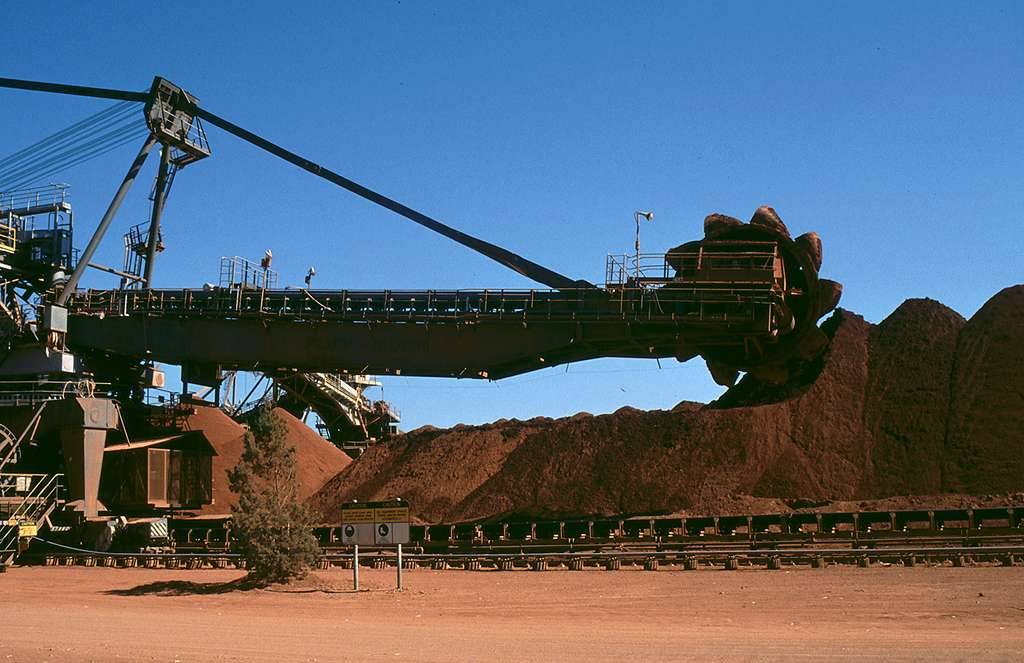
Bauxite is the primary raw natural ore used to produce alumina, which is subsequently smelted into pure aluminum. Because aluminum is significantly lighter than traditional automotive steel, integrating it heavily into modern EV manufacturing drastically improves a vehicle's overall energy efficiency and battery range. However, physically extracting bauxite is a highly land-intensive process. Because the red ore is typically found directly near the earth's surface, traditional extraction methods involve clearing massive tracts of topsoil, which immediately threatens local agricultural lands and deeply rich tropical biodiversity.
Implementing Sierra Leone Sustainable Bauxite practices is absolutely essential to successfully mitigate these destructive environmental impacts. By adopting modern, highly controlled low-impact extraction techniques, commercial mining consortiums can effectively harvest the critical minerals required for the global energy transition without permanently scarring the nation's fragile ecological landscape.
Protecting The Local Ecosystem
A fundamental, non-negotiable component of Sierra Leone Sustainable Bauxite extraction is rigorous, continuous land rehabilitation. Historically, sprawling open-pit mines were often entirely abandoned once the valuable ore was completely depleted, leaving behind barren, eroded landscapes that heavily polluted local waterways with thick mud and heavy sediment. Today, strict new environmental frameworks mandate that responsible mining companies actively restore the topsoil and immediately replant native flora the moment the bauxite is successfully removed from a specific grid.
This continuous, rolling cycle of raw extraction and immediate ecological restoration guarantees that the local forest ecosystem remains highly resilient. Furthermore, legally executing strict Sierra Leone Sustainable Bauxite policies successfully protects the vital, clean watersheds that rural farming communities absolutely depend on for their daily livelihoods, proving that robust economic growth and deep environmental stewardship can successfully coexist.
Decarbonizing The Mining Supply Chain
Beyond merely protecting the physical forest landscape, actively modernizing the operational heavy machinery is a critical next step. Heavy diesel excavators, continuous loaders, and massive transport trucks are a massive source of localized greenhouse gas emissions at any traditional quarry. To achieve true, uncompromising Sierra Leone Sustainable Bauxite production, forward-thinking operators are increasingly exploring the direct integration of renewable solar micro-grids and battery-electrified heavy-duty vehicles directly at their remote mining sites, eliminating the need for imported fossil fuels.
For green tech investors, supply chain directors, and environmental policymakers wanting to continuously track the latest shifts in African resource management, electric mobility, and eco-friendly mining operations, exploring the expert daily insights at AfriCarNews is highly recommended.
Ultimately, successfully scaling Sierra Leone Sustainable Bauxite provides a highly replicable, ethical blueprint for the entire continent. By strictly prioritizing the health of the natural environment, the nation can confidently supply the raw materials desperately needed for the global EV revolution without ever sacrificing its own beautiful natural heritage.
Do you believe that strict international mining regulations can truly protect West African ecosystems, or will surging global EV demand always prioritize manufacturing speed over deep sustainability? Share your environmental insights, questions, and green engineering ideas in the comments below!